Quick answer
A fast equipment loan pays for machinery, vehicles or tools quickly when a breakdown or a new contract can't wait. Options include unsecured business loans sized on turnover, property-secured loans for larger amounts, and dedicated equipment finance secured on the asset. The ATO's instant asset write-off threshold is $20,000 for eligible small businesses. A supplier quote and linked bank data are what make it fast.
Key points
- Downtime has a daily cost — put a number on it
- A written supplier quote is the key document
- Unsecured and property-secured loans can fund equipment quickly
- Instant asset write-off threshold: $20,000 for eligible small businesses
- Key document
- Supplier quote or tax invoice
- Instant asset write-off
- $20,000 threshold (ATO)
- Turnover test
- Aggregated turnover under $10m (ATO)
When does equipment finance need to be fast?
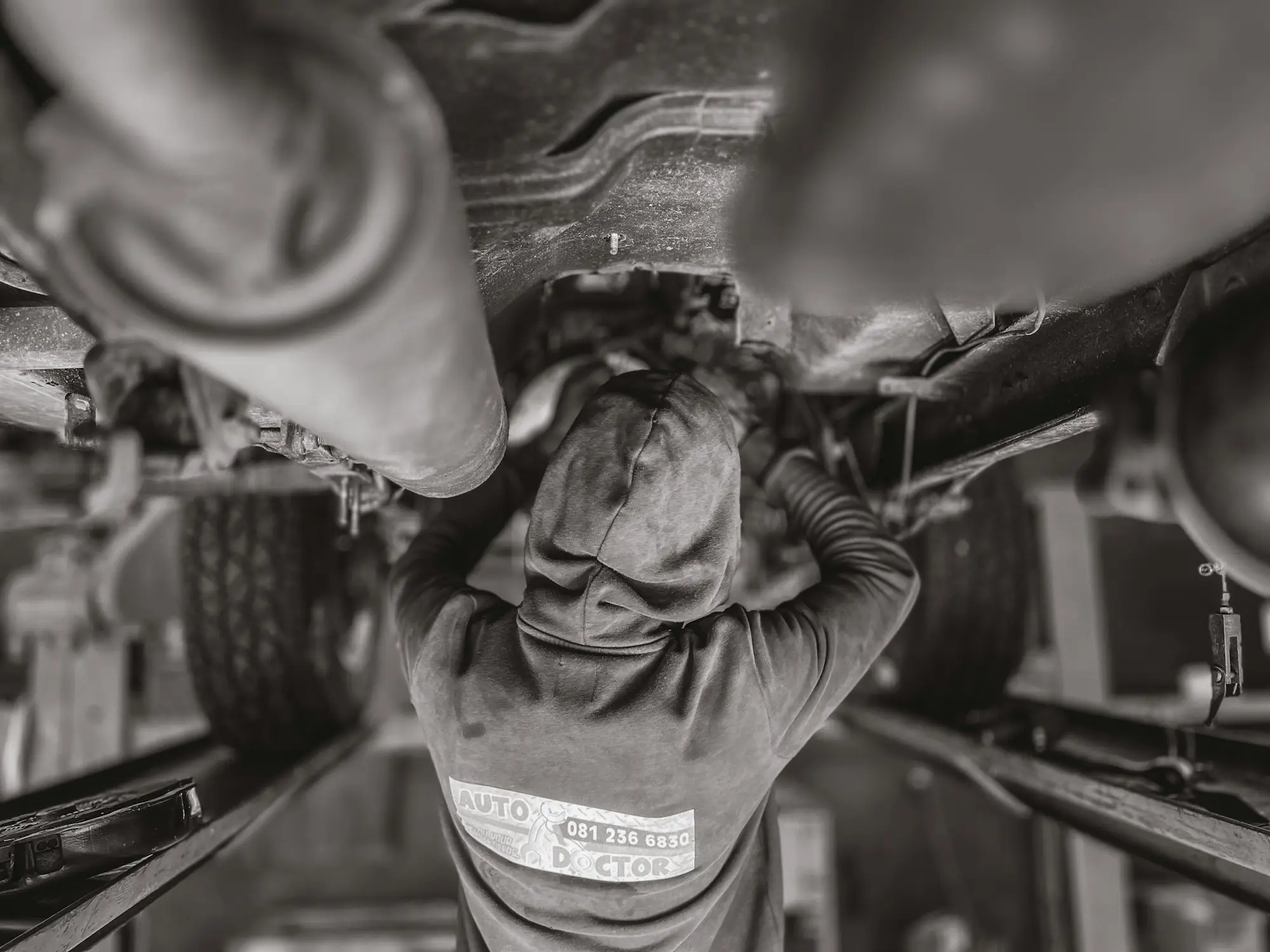
Two situations come up again and again. The first is a breakdown: the walk-in cool room fails, the excavator’s engine is gone, the delivery van won’t pass inspection. Every day without it costs money. The second is an opportunity: a contract that needs a bigger machine than you own, starting in a fortnight.
In both cases the finance isn’t the goal — getting the equipment working is. Speed matters because downtime and missed starts have a real cost.
What does downtime actually cost you?
Put a number on it before you choose a loan. A simple estimate:
- Lost revenue per day — jobs you can’t do, sales you can’t make.
- Extra costs per day — hire equipment, overtime, subcontractors, spoiled stock.
- Knock-on costs — penalties on contracts, customers who go elsewhere.
If downtime costs a few thousand dollars a day, a faster option that costs a little more in total can easily be the cheaper choice overall. Our page on speed versus cost goes through the comparison.
Which finance options fit?
| Option | Tends to suit | Speed considerations |
|---|---|---|
| Unsecured business loan | Used or private-sale gear, repairs, installation, smaller amounts | Sized on turnover and bank statements; same day possible for smaller amounts |
| Property-secured business loan | Larger amounts, newer businesses, or when speed and flexibility matter most | $20k–$250k possible same day; up to $5m in 24–48 hours |
| Equipment finance secured on the asset | New or near-new gear from established dealers | Depends on supplier paperwork and the asset |
business.gov.au lists equipment leases and asset financing among common forms of debt finance. The right choice depends on the equipment, the supplier, the amount and how quickly you need it. A business loan has one big advantage in a hurry: the money can cover everything around the machine too — delivery, installation, electrical work, training.
Machine down? Start a 60-second enquiry now — the sooner the quote’s in, the sooner it moves.
What about the instant asset write-off?
The ATO’s instant asset write-off lets eligible small businesses immediately deduct the business portion of eligible assets that cost less than the threshold. The ATO lists the threshold as $20,000 for businesses with aggregated turnover under $10 million, for eligible assets first used or installed ready for use on or after 1 July 2023. Assets above the threshold go into the small business pool under the simplified depreciation rules.
It’s a tax deduction, not a discount, and the rules have conditions. Talk to your accountant before buying with the write-off in mind — and don’t let a tax benefit push you into equipment you don’t need.
What should you have ready?
- A written supplier quote or tax invoice, showing the item, price and supplier details. This is the single most important document.
- For private sales, a written sale agreement and anything showing ownership and condition.
- Linked bank data so the lender can see how the business trades.
- ID for every director who’ll sign.
- Costs around the machine — freight, installation, trade-in value, disposal of the old unit.
- For property-secured options, the property details and every owner ready to sign.
The Speed Readiness Check helps you tick these off.
An illustrative example
Illustrative only. A regional mechanic’s four-post hoist fails an inspection and can’t be used. The workshop can only take a fraction of its usual bookings without it. The replacement hoist, installation and electrical work come to about $32k.
The owner gets a written quote from the supplier the same morning and enquires straight away. The business has traded for six years with steady deposits, so an unsecured loan is the natural pathway. She links her bank account during the call. Because the documents are ready and the amount is modest against turnover, the file moves quickly — the supplier is paid and installation booked within days rather than weeks. Her accountant confirms how the purchase will be treated for tax.
Repair, replace or hire in the meantime?
Not every breakdown needs a new machine. Before you commit to a purchase, take ten minutes to compare three paths.
Repair is often cheapest in the short term, but ask how long the part will take to arrive and whether the fault is likely to recur. A repair that takes three weeks may cost more in downtime than a replacement that arrives in three days.
Replace makes sense when the machine is near the end of its life, repairs are becoming frequent, or a newer model would lift capacity. Get the supplier’s lead time in writing, because an in-stock unit and a factory order are very different timelines.
Hire in the meantime can protect revenue while you decide. The hire cost belongs in your downtime calculation, and knowing you have a stopgap takes the pressure off the finance decision.
Whichever you choose, a finance conversation can happen in parallel. A lender can often assess the file while you’re collecting quotes, so that once you’ve decided, the money is ready to go.
Ready to get back to work?
When equipment stops, so does revenue. Send the 60-second enquiry and a real person will tell you which option gets the machine working fastest. There’s no credit check when you first enquire, and your details go to one specialist instead of being scattered around a list of lenders. Include the real cost — machine, installation and extras — so we can size it properly first time.
Frequently asked questions
How quickly can I get a loan for equipment?
Same-day funding is possible for smaller unsecured amounts, and $20k to $250k is possible same day against property, once the file is complete. Having the supplier's quote ready is the biggest time-saver.
Should I use a business loan or equipment finance?
Equipment finance secured on the asset can suit new or near-new gear from established suppliers. A business loan can be faster and more flexible — useful for used or private-sale equipment, repairs, installation costs, or when the asset itself isn't ideal security.
What is the instant asset write-off?
It lets eligible small businesses immediately deduct the business portion of the cost of eligible assets under a threshold. The ATO lists the threshold as $20,000 for businesses with aggregated turnover under $10 million. Check eligibility with your accountant.
Can I finance a used machine from a private seller?
Often, with a business loan. Dedicated equipment finance can be harder for private sales. Get a written sale agreement and, where possible, evidence of the machine's condition and ownership.